Discover the Serenity of Relaxing Mountain Retreats Around Mount Fuji
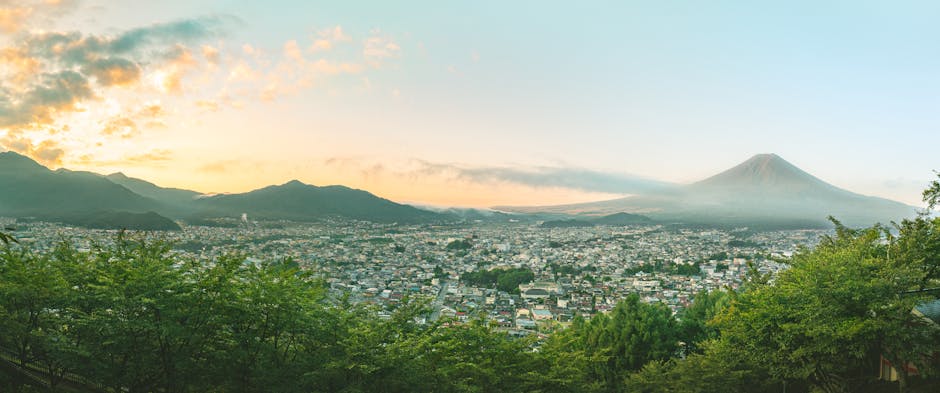
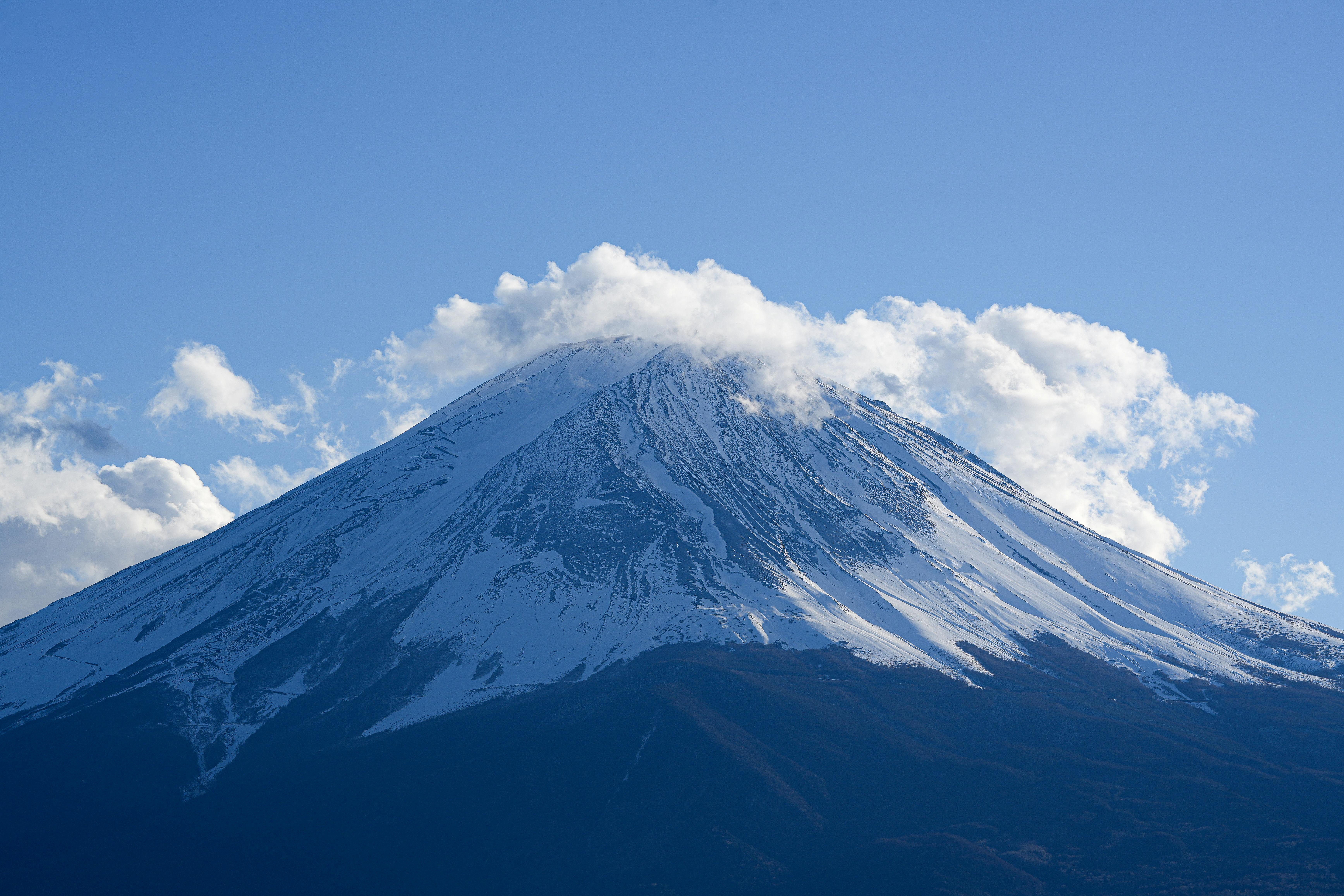
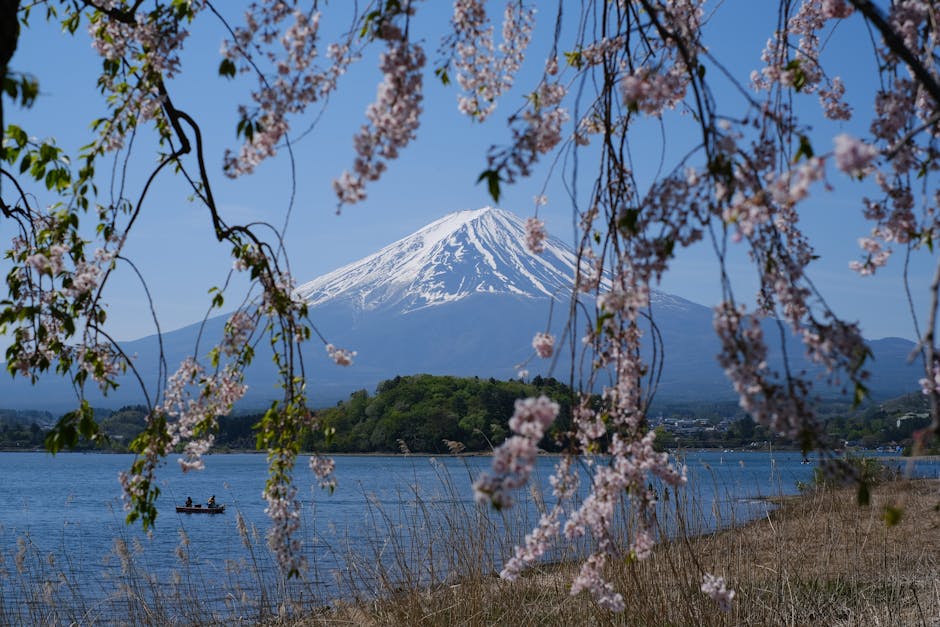
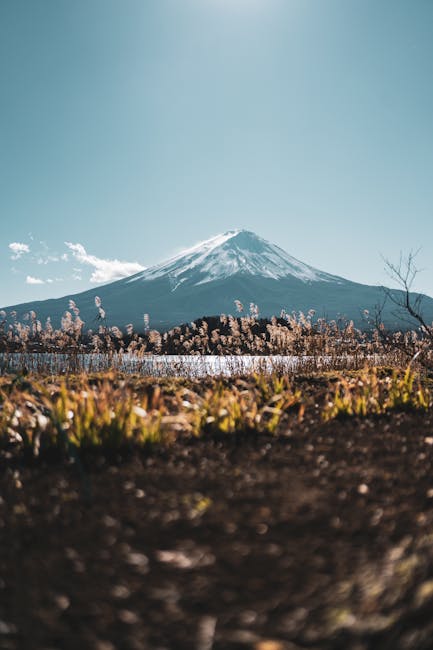
Nestled amidst Japan’s breathtaking natural scenery, Mount Fuji stands as an iconic symbol of tranquility and spiritual harmony. This majestic volcano not only captivates travelers with its snow-capped summit but also offers a unique setting for peaceful mountain retreats. Unlike bustling tourist hotspots, these retreats emphasize serenity, allowing visitors to reconnect with nature and find solace in their surroundings. Whether you seek a quiet escape to meditate, indulge in rejuvenating hot springs, or simply enjoy awe-inspiring vistas, the area around Mount Fuji provides an exceptional backdrop for relaxation. The region’s harmonious blend of natural beauty, traditional Japanese hospitality, and tranquil accommodations makes it a premier destination for those yearning to unwind amid stunning mountain landscapes. In this article, you can expect an exploration of the most charming retreats, insights into what makes this area so special, and tips on how to make the most of your peaceful escape. Prepare to discover a sanctuary where nature and relaxation intertwine seamlessly.
Watch what you love, wherever you go. Prime Video lets you stream on any device, from your phone to your tablet – free trial available now!
Fujisan Shrine
The Fujisan Shrine, also known as the Fuji Sengen Shrine, is a sacred site nestled at the base of Mount Fuji, offering visitors a tranquil retreat infused with spiritual significance. Located in Fujinomiya City, Shizuoka Prefecture, this shrine serves as a spiritual gateway for pilgrims and nature lovers alike. Its serene atmosphere and stunning surroundings make it an essential stop for those seeking a deeper connection with Japan’s iconic mountain. The shrine complex comprises several buildings, including the main hall, auxiliary shrines, and beautifully maintained gardens that reflect traditional Japanese architecture. Visitors can enjoy a peaceful stroll along stone-paved paths, with the scent of incense lingering in the air and the gentle murmur of water features adding to the calming ambiance.
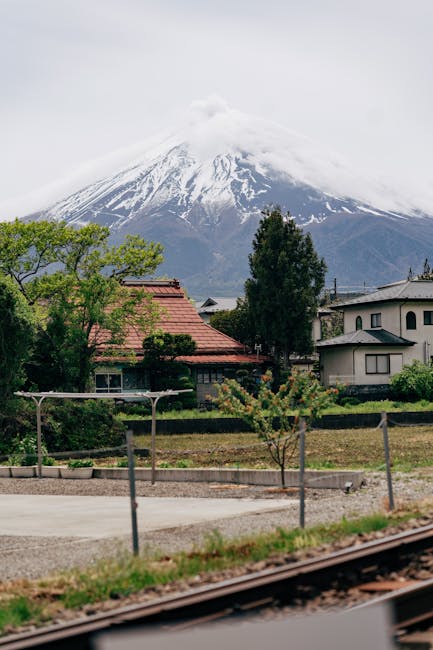
This shrine holds deep historical roots, dating back centuries, and is believed to be a place where Mount Fuji’s spiritual essence is honored. It is especially popular during the annual Fuji Sacred Festival, when pilgrims and locals gather to pray for safety and prosperity. The main shrine building is dedicated to Konohanasakuya-hime, the goddess of Mount Fuji and volcanoes, symbolizing protection and renewal. Visitors often climb the approach stairs, lined with traditional lanterns, which create a magical atmosphere at dusk. The shrine also offers panoramic views of Mount Fuji, especially on clear days, making it a perfect spot for reflection and photography.
Practical tips for visitors include arriving early to avoid crowds and to fully enjoy the peaceful environment. The shrine is accessible by car or bus, with ample parking nearby. Wearing comfortable footwear is recommended, as exploring the grounds involves walking along uneven paths and stairs. For those interested in Japan’s spiritual heritage, participating in a purification ritual or offering a prayer can deepen the experience. Whether seeking spiritual solace or simply admiring the natural beauty, Fujisan Shrine offers a harmonious retreat where tradition and nature converge, providing a meaningful connection to Mount Fuji’s sacred landscape.
Fuji Five Lakes
The Fuji Five Lakes region, known locally as Fujigoko, is a captivating area situated at the northern base of Mount Fuji. Comprising Lake Kawaguchi, Lake Yamanaka, Lake Sai, Lake Motosu, and Lake Shoji, this region offers a diverse array of scenic vistas, outdoor activities, and tranquil retreats. Each lake has its unique charm, from the bustling lakeside towns to quiet spots perfect for reflection. The area is renowned for its breathtaking views of Mount Fuji reflected in the calm waters, especially during sunrise and sunset. Visitors can enjoy a variety of activities, including boating, fishing, hiking, and staying at traditional ryokans that offer hot springs and authentic Japanese hospitality. The region’s lush forests and volcanic landscapes make it an ideal destination for nature lovers seeking a mountain retreat away from crowded tourist spots.
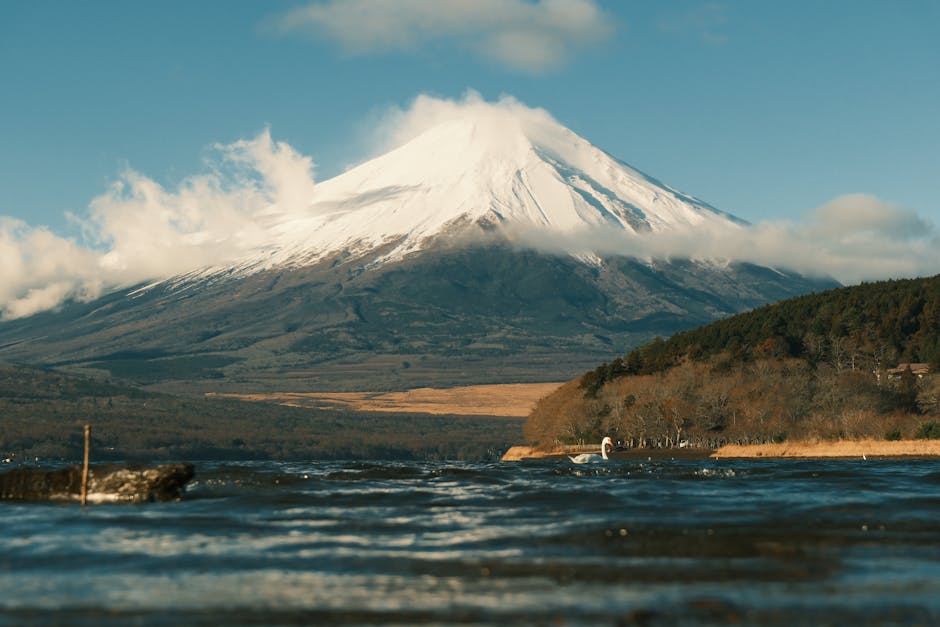
One of the highlights of the Fuji Five Lakes is Lake Kawaguchi, which boasts well-developed amenities such as lakeside promenades, museums, and panoramic observation decks. Visitors can take cable car rides to higher vantage points, offering stunning views of Mount Fuji framed by cherry blossoms in spring or vibrant foliage in autumn. Lake Yamanaka, the largest of the five, is popular for water sports and camping, providing a lively yet peaceful atmosphere. For those seeking tranquility, Lake Motosu offers pristine waters and fewer crowds, making it perfect for quiet reflection or photography. The region also features numerous hiking trails that wind through forests and volcanic terrains, offering spectacular vistas at every turn.
Practical advice for travelers includes planning visits during the cherry blossom season in spring or the colorful foliage in autumn, when the scenery becomes even more picturesque. The area is accessible via train and bus from Tokyo, with many accommodations ranging from traditional inns to modern hotels. Visitors should bring suitable gear for outdoor activities and consider renting bikes to explore the lakeside routes. Whether you’re seeking adventure, relaxation, or stunning mountain views, the Fuji Five Lakes region offers an enchanting mountain retreat immersed in natural beauty and cultural richness.
Chureito Pagoda
The Chureito Pagoda is an iconic five-story pagoda perched on a hillside in the Arakura Sengen Shrine complex, offering one of the most picturesque views of Mount Fuji. Located in Fujiyoshida City, this historic structure dates back to 1963 and was built as a peace memorial. Its striking red color contrasts beautifully with the lush greenery and snow-capped peak of Mount Fuji in the background. The pagoda’s elevated position provides an unobstructed view, making it a favorite spot for photographers and tourists alike. The site is particularly popular during cherry blossom season, when the pagoda appears framed by delicate pink blooms, creating a quintessential Japanese scene. Visitors can enjoy a peaceful walk through the shrine grounds, which are adorned with traditional lanterns and stone pathways that enhance the spiritual ambiance.
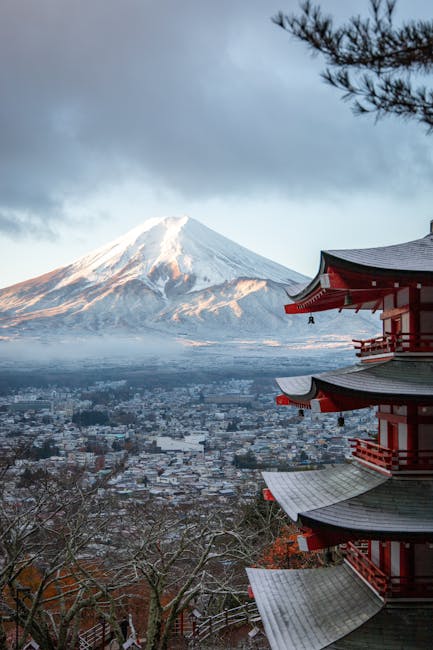
The Chureito Pagoda is more than just a photo spot; it embodies Japan’s cultural heritage and reverence for Mount Fuji. The climb up to the pagoda involves ascending a steep staircase of around 400 steps, which is rewarded with panoramic views of the surrounding landscape. Early mornings and late afternoons offer softer lighting and fewer visitors, ideal for capturing stunning photographs or enjoying a quiet moment of reflection. The site is easily accessible from Fujiyoshida Station, with bus services running regularly. Visitors should wear comfortable shoes, especially if they plan to explore the nearby shrine grounds or hike the surrounding trails. Whether visiting for the breathtaking vistas or the cultural experience, the Chureito Pagoda provides a serene mountain retreat that perfectly encapsulates the harmony between nature and tradition in Japan. Its scenic beauty and spiritual significance make it a must-visit destination for those seeking a tranquil escape with a view of Mount Fuji as the backdrop.
Otodome Waterfall
Nestled within the lush, tranquil forests surrounding Mount Fuji, Otodome Waterfall offers a serene retreat for nature lovers seeking a peaceful escape. Situated along the Yoshida Trail, this picturesque cascade is renowned for its soothing sound and scenic beauty, making it a must-visit stop for those exploring the mountain’s lower slopes. The waterfall is easily accessible from the Fuji Subaru Line Fifth Station, making it a convenient destination for hikers and casual visitors alike. Its gentle flow and lush greenery create an atmosphere of calm, perfect for reflection or simply immersing oneself in nature’s harmony.
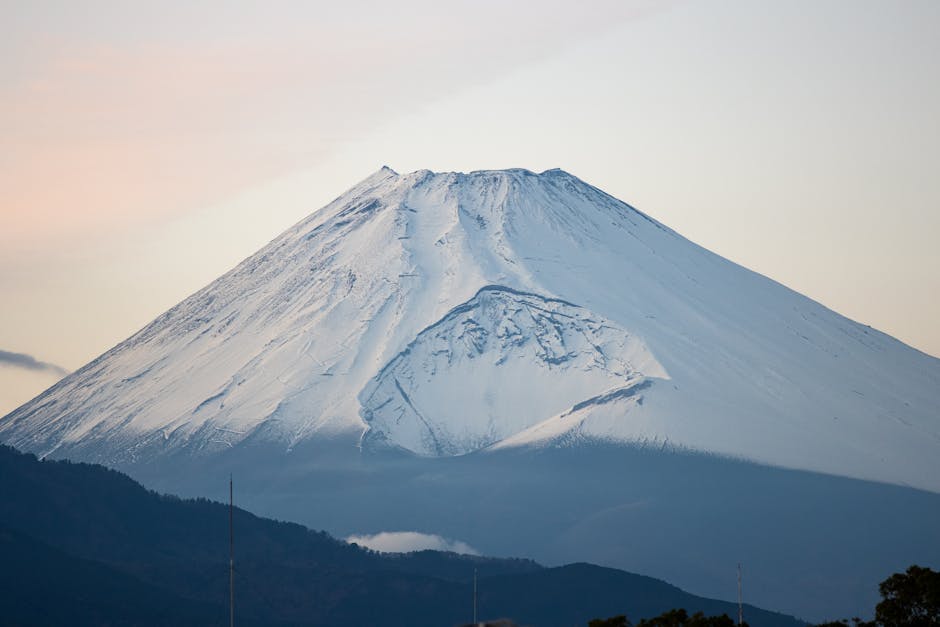
The main feature of Otodome Waterfall is its modest yet captivating cascade, which drops about 10 meters into a clear, rocky pool below. The waterfall is framed by dense trees and moss-covered rocks, adding to its enchanting appeal. Visitors often find themselves drawn to the soothing sound of flowing water, which drowns out the hustle of everyday life and fosters a sense of tranquility. During the spring and early summer, the area blooms with vibrant wildflowers and lush greenery, enhancing the natural scenery. In autumn, the surrounding foliage transforms into a fiery tapestry of reds and oranges, offering breathtaking vistas.
For those planning a visit, the site is accessible via well-maintained trails from the Fifth Station, with a gentle walk that takes approximately 20 minutes. The path is suitable for most visitors, including families and older travelers, and is lined with informative signs about local flora and fauna. It’s advisable to wear comfortable footwear and bring water, especially during warmer months. The waterfall is particularly popular during early mornings or late afternoons, when the light creates a magical glow on the water and surrounding landscape. Whether you’re seeking a quiet moment of reflection or a scenic spot to enjoy nature’s beauty, Otodome Waterfall offers a peaceful retreat that complements the majestic presence of Mount Fuji itself.
Mount Fuji Fifth Station
The Mount Fuji Fifth Station is a pivotal starting point for many climbers and visitors who wish to experience Japan’s iconic peak without summiting. Located at approximately 2,300 meters above sea level on the mountain’s southeastern flank, this station serves as a gateway to the adventure and awe that define Mount Fuji. It is easily accessible by bus from Fuji City and surrounding areas, making it a popular stop for tourists eager to take in panoramic views and explore the mountain environment. The Fifth Station is equipped with visitor facilities, shops, and restaurants, providing comfort and convenience amidst the rugged landscape.
From the Fifth Station, visitors are treated to spectacular vistas of the surrounding valleys and distant peaks. The observation decks offer unobstructed views of Mount Fuji’s snow-capped summit, especially on clear days, creating a truly memorable experience. The station also functions as a hub for climbers preparing for the ascent, offering supplies, rest areas, and information about the different routes to the summit. For those not planning to climb, it remains an ideal spot to appreciate the mountain’s grandeur and learn about its cultural significance through exhibits and displays.
Additionally, the Fifth Station is home to several hiking trails that lead further up Mount Fuji, including the popular Yoshida Trail. It’s recommended to spend some time here to acclimate to the altitude and enjoy the unique alpine flora and fauna. The station’s facilities open early in the morning and close late at night, accommodating various schedules. Whether you’re an aspiring climber or a visitor eager to capture stunning photographs, the Mount Fuji Fifth Station offers a blend of natural beauty, cultural richness, and adventure that embodies the spirit of mountain retreats.
Best Time to Visit Mount Fuji
Understanding the Weather and Seasons
When planning a mountain retreat to Mount Fuji, considering the weather is crucial. The official climbing season spans from early July to early September, when weather conditions are most favorable. During this period, temperatures are milder, and snow has melted from the trails, making ascent safer and more accessible. Outside this window, snow and ice can pose serious hazards, and unpredictable weather can hinder outdoor activities.
In spring (April to June), the mountain begins to bloom with cherry blossoms and lush greenery, offering stunning scenic views. Autumn (September to November) provides vibrant foliage, creating a picturesque backdrop for visitors. However, winter (December to March) is harsh, with heavy snowfall, freezing temperatures, and limited accessibility, making it ideal only for experienced climbers and winter sports enthusiasts.
Peak Tourist Seasons and Off-Peak Benefits
The busiest time to visit Mount Fuji is during the official climbing season in July and August. During these months, thousands of hikers flock to the trails, and local facilities are fully operational. While this creates a lively atmosphere, it also means crowded trails, higher prices, and limited tranquility—factors that might detract from a peaceful mountain retreat.
Conversely, visiting during the shoulder months of late June or early September can offer a quieter experience. These periods still enjoy good weather, especially in early September, but with fewer tourists. Off-peak seasons, particularly winter, are less crowded but require proper gear and experience. Visiting during these times allows for a more serene, contemplative retreat, perfect for those seeking solitude amid nature’s grandeur.
Summary of Pros and Cons
| Time Period | Pros | Cons |
|---|---|---|
| July – August (Peak Season) |
|
|
| Late June & September (Shoulder Seasons) |
|
|
| December – March (Winter) |
|
|
Ultimately, the best time to visit Mount Fuji depends on your preference for weather, crowd levels, and the type of retreat you seek. For a peaceful mountain escape, consider shoulder seasons or winter, but always prioritize safety and preparedness for the conditions.
Getting to Mount Fuji: Your Gateway to a Mountain Retreat
Mount Fuji, Japan’s iconic peak, offers a breathtaking backdrop for those seeking a serene mountain retreat. Reaching this majestic site involves several transportation options, each providing a unique journey experience. Whether you prefer flying, train travel, or driving, understanding your options ensures a smooth trip to this natural wonder.
Flights to Japan and Nearby Airports
The most convenient way to begin your journey is by flying into Japan. Major international airports such as Narita International Airport (Tokyo) and Kansai International Airport (Osaka) serve as primary gateways. From these airports, travelers can access Mount Fuji via train, bus, or car rental. It’s advisable to book your flights well in advance, especially during peak seasons like summer or autumn, to secure better rates and availability.
Train Travel: Connecting to the Mountain
Japan’s efficient rail network makes train travel an excellent option for reaching Mount Fuji. From Tokyo, take the JR Chuo Line to Otsuki Station, then transfer to the Fujikyu Railway to Kawaguchiko Station, a popular base for mountain excursions. The journey offers scenic views of the countryside and is comfortable for travelers seeking a relaxed, eco-friendly option. Trains run frequently, but it’s wise to check schedules ahead of time to plan your trip effectively.
Bus Options for a Scenic Route
Several highway buses connect Tokyo and other major cities to the Fuji Five Lakes area. These buses are affordable, convenient, and offer direct routes to popular starting points for climbing or sightseeing around Mount Fuji. The bus ride typically takes about two to three hours, depending on traffic and departure points. Many buses operate year-round, but always verify schedules beforehand, especially during off-peak seasons or weather disruptions.
Driving and Car Rentals: Flexibility for Mountain Retreats
If you prefer the freedom to explore at your own pace, renting a car is an excellent choice. Driving provides flexibility to visit remote spots around Mount Fuji and the Fuji Five Lakes region. Roads are well-maintained, but be prepared for narrow mountain roads and changing weather conditions. To rent a vehicle, consider booking in advance through reputable agencies. Remember, driving in Japan requires an International Driving Permit if you are a foreign visitor.
Travel Tips and Important Information
- Travel during the off-season (late autumn or early spring) to avoid crowds and enjoy peaceful mountain retreats.
- Check weather conditions regularly, especially if planning to hike or climb, as mountain weather can change unexpectedly.
- Public transportation options are abundant, but booking tickets in advance can save time and ensure availability.
- Consider staying in a ryokan or mountain lodge to fully immerse yourself in the tranquil retreat atmosphere.
With these transportation options and tips, your journey to Mount Fuji will be as memorable as the mountain itself. Whether you arrive by plane, train, bus, or car, each route offers a unique perspective on Japan’s natural beauty, setting the perfect tone for your mountain retreat adventure.
Best Places to Stay in Mount Fuji: A Mountain Retreat for Every Budget
Mount Fuji offers a diverse range of accommodations that cater to travelers seeking a tranquil mountain retreat. Whether you prefer luxurious comfort, mid-range convenience, or budget-friendly simplicity, there’s a perfect place to call home during your Fuji adventure. Each option provides a unique experience, allowing you to immerse yourself in the serene beauty of this iconic mountain while enjoying restful accommodations.
Luxury Options: Indulge in Mountain Elegance
For those seeking a truly indulgent retreat, the luxury hotels around Mount Fuji combine exquisite comfort with breathtaking views. The Fuji View Hotel stands out as a premier choice. Located just a short drive from the Fuji Five Lakes, it offers spacious rooms with panoramic views of the mountain, elegant Japanese-style decor, and top-tier amenities. Guests can unwind in their on-site hot springs or savor gourmet cuisine at the hotel’s renowned restaurants.
Another exceptional option is Kozantei Ubuya, a boutique ryokan nestled along Lake Kawaguchi. It provides a more intimate experience with traditional tatami rooms, personalized service, and private balconies overlooking Mount Fuji. Its serene atmosphere makes it an ideal retreat for travelers seeking peace and luxury combined.
Mid-Range Retreats: Comfort with Character
Mid-range accommodations strike a perfect balance between comfort and affordability. The Hotel Mifuji offers cozy rooms with modern amenities and spectacular views of the mountain. Located conveniently near transportation hubs, it provides easy access to the Fuji Five Lakes and hiking trails. Guests appreciate its friendly staff and relaxed atmosphere, making it a reliable choice for a mountain retreat.
Alternatively, the Fuji Onsenji Yumedono is a traditional ryokan that features warm Japanese hospitality, soothing hot springs, and authentic cuisine. Its location near the base of Mount Fuji allows visitors to enjoy a peaceful environment while exploring nearby natural attractions.
Budget Options: Simple Comfort in Nature
Travelers on a budget can find charming and affordable accommodations that still offer a true mountain retreat experience. The Guesthouse Fujiyama provides basic but clean rooms, communal spaces for socializing, and a welcoming atmosphere. It’s perfect for backpackers or solo travelers looking to connect with fellow adventurers.
Another budget-friendly choice is Fuji Subaru Line 5th Station Hostel, which is ideal for climbers and day-trippers. It offers dormitory beds and private rooms, along with easy access to the starting points for Mount Fuji’s trails. Despite its simplicity, it provides a cozy environment to rest after a day of exploring.
In summary, whether you seek luxury, comfort, or affordability, Mount Fuji’s range of accommodations ensures a memorable mountain retreat. Each option allows you to connect with the mountain’s tranquil beauty while enjoying a stay tailored to your preferences and budget.
Your ultimate travel companion: Audible! Get guides, stories, and language lessons free for a month.
Discover travel essentials available on Amazon
Frequently Asked Questions About Relaxing Mountain Retreats Mount Fuji
What makes Mount Fuji an ideal destination for a mountain retreat?
Mount Fuji offers a serene environment that combines breathtaking natural beauty with tranquility, making it perfect for relaxation. Surrounded by lush forests, tranquil lakes, and scenic hiking trails, visitors can immerse themselves in nature’s calming influence. The area’s peaceful atmosphere encourages mindfulness and rejuvenation, away from busy city life. Additionally, the numerous onsen (hot springs) nearby provide a soothing experience that complements the retreat vibe. Whether you’re seeking quiet reflection or gentle outdoor activities, Mount Fuji’s landscape creates an ideal setting for a restorative escape.
What types of accommodations are available for a relaxing retreat around Mount Fuji?
There is a wide range of accommodations tailored to those seeking relaxation. These include traditional ryokans (Japanese inns), boutique hotels, and cozy mountain lodges. Many of these establishments feature private onsens, tranquil gardens, and rooms with stunning views of Mount Fuji. Some retreats also offer wellness programs, including yoga, meditation, and spa treatments. For a more immersive experience, consider staying in a traditional tatami-mat room, which enhances the sense of calm and connection to nature. Booking in advance is recommended, especially during peak seasons, to secure your ideal retreat experience.
When is the best time to visit Mount Fuji for a relaxing experience?
The most suitable times for a relaxing retreat are during spring (April to June) and autumn (September to November). During these seasons, the weather is mild, and the scenery is especially stunning, with cherry blossoms or vibrant fall foliage. Summer (July to August) can be warmer but is also popular for climbing; however, it’s less ideal for relaxation as the area tends to be busier. Winter (December to February) offers a peaceful, snow-covered landscape, perfect for those who enjoy quiet winter retreats. No matter when you visit, always check local weather conditions and plan accordingly to maximize your comfort and enjoyment.
What outdoor activities can enhance a mountain retreat experience?
Mount Fuji’s surrounding area offers numerous gentle outdoor activities that promote relaxation and connection with nature. These include:
- Leisurely hikes around the Fuji Five Lakes, which provide stunning panoramic views
- Stand-up paddleboarding or boat rides on Lake Kawaguchi
- Forest bathing (shinrin-yoku), which involves mindful walks through the woods
- Visiting scenic viewpoints such as Chureito Pagoda for breathtaking photos and peaceful reflection
- Participating in guided meditation walks in natural settings
These activities are designed to soothe the mind and body while allowing visitors to appreciate the area’s natural beauty at a gentle pace.
Are there cultural or spiritual experiences available during a mountain retreat?
Absolutely. Mount Fuji is deeply rooted in Japanese spirituality and culture. Many retreats incorporate traditional practices such as Zen meditation, tea ceremonies, or visits to nearby shrines and temples. Some offer guided spiritual walks that explore the area’s sacred sites, fostering a sense of inner peace. Participating in these cultural activities enhances your retreat by providing deeper insights into local traditions and philosophies. Moreover, engaging with local artisans or attending craft workshops can be both relaxing and enriching, making your stay more meaningful and memorable.
How can I prepare for a peaceful and rejuvenating mountain retreat?
Preparation is key to maximizing your relaxation. Consider packing comfortable clothing suitable for outdoor activities and variable weather. Bring items that promote relaxation, such as a journal, meditation app, or favorite book. Planning your itinerary to include a balance of gentle activities and rest periods ensures you avoid feeling overwhelmed. It’s also helpful to disconnect from digital devices periodically, allowing yourself to fully immerse in the natural environment. Lastly, embrace the slower pace of mountain life—allowing yourself to unwind, breathe deeply, and enjoy the serenity that Mount Fuji offers.
Experience the Tranquility of Mount Fuji’s Mountain Retreats
From stunning vistas to soothing hot springs, Mount Fuji’s mountain retreats promise a restorative escape into nature’s embrace. Whether you seek quiet reflection, gentle outdoor adventures, or cultural enrichment, this destination offers a harmonious blend of relaxation and natural beauty. Prepare thoughtfully, and let the peaceful surroundings rejuvenate your mind and body for a truly memorable experience.
Don’t miss out! Earn cashback on travel & shopping today.
Discover the Tranquil Allure of Mount Fuji’s Mountain Retreats
In conclusion, Mount Fuji offers an unparalleled sanctuary for those seeking a relaxing mountain retreat. From serene hot springs and cozy ryokans to breathtaking views and peaceful hiking trails, this destination caters to travelers yearning for rejuvenation amid nature’s splendor. The unique blend of traditional Japanese hospitality and stunning landscapes creates an immersive experience that soothes both body and mind. Whether you prefer unwinding in an onsen, practicing meditation in quiet temples, or simply gazing at the majestic summit, Mount Fuji’s retreats promise a restorative escape unlike any other.
Key highlights include:
- Authentic hot spring experiences that promote relaxation and wellness
- Charming accommodations with panoramic views of the mountain
- Quiet trails perfect for gentle walks and mindful reflection
- Opportunities to indulge in local cuisine and cultural traditions
Now is the perfect time to explore this tranquil haven. Embrace the opportunity to disconnect from everyday stress and reconnect with nature’s calming embrace. Whether you’re seeking solitude or a peaceful getaway with loved ones, Mount Fuji’s retreats offer a restorative journey that will leave you refreshed and inspired.
Begin planning your escape today and experience the serenity that only Mount Fuji can provide. Discover the magic of its mountain retreats, and create memories that will nurture your soul for years to come. Your tranquil mountain sanctuary awaits—dive into this peaceful adventure now!