Discover the Timeless Charm of Kyoto: A Cultural and Scenic Journey
Discover the Timeless Charm of Kyoto: A Cultural and Scenic Journey
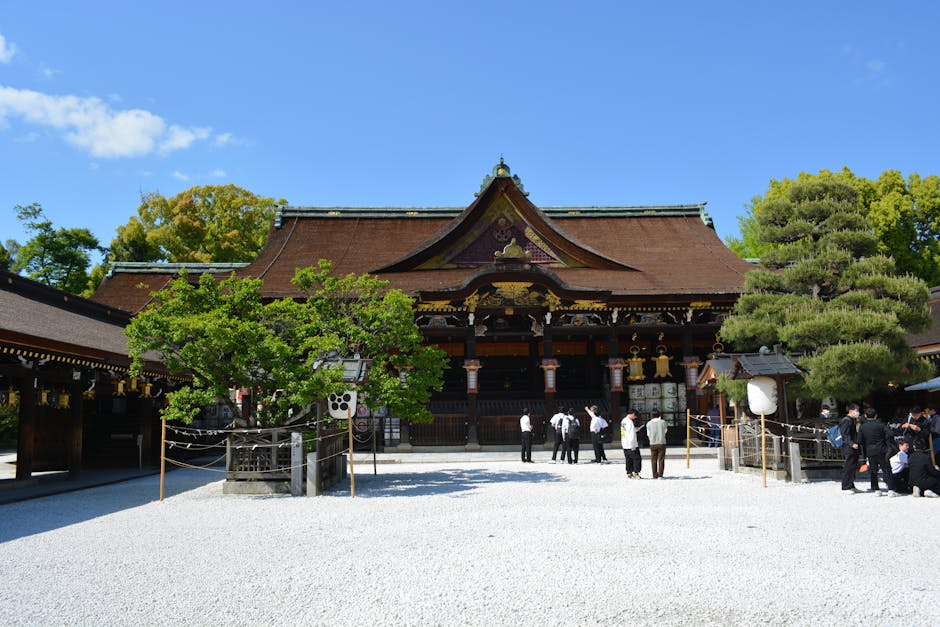
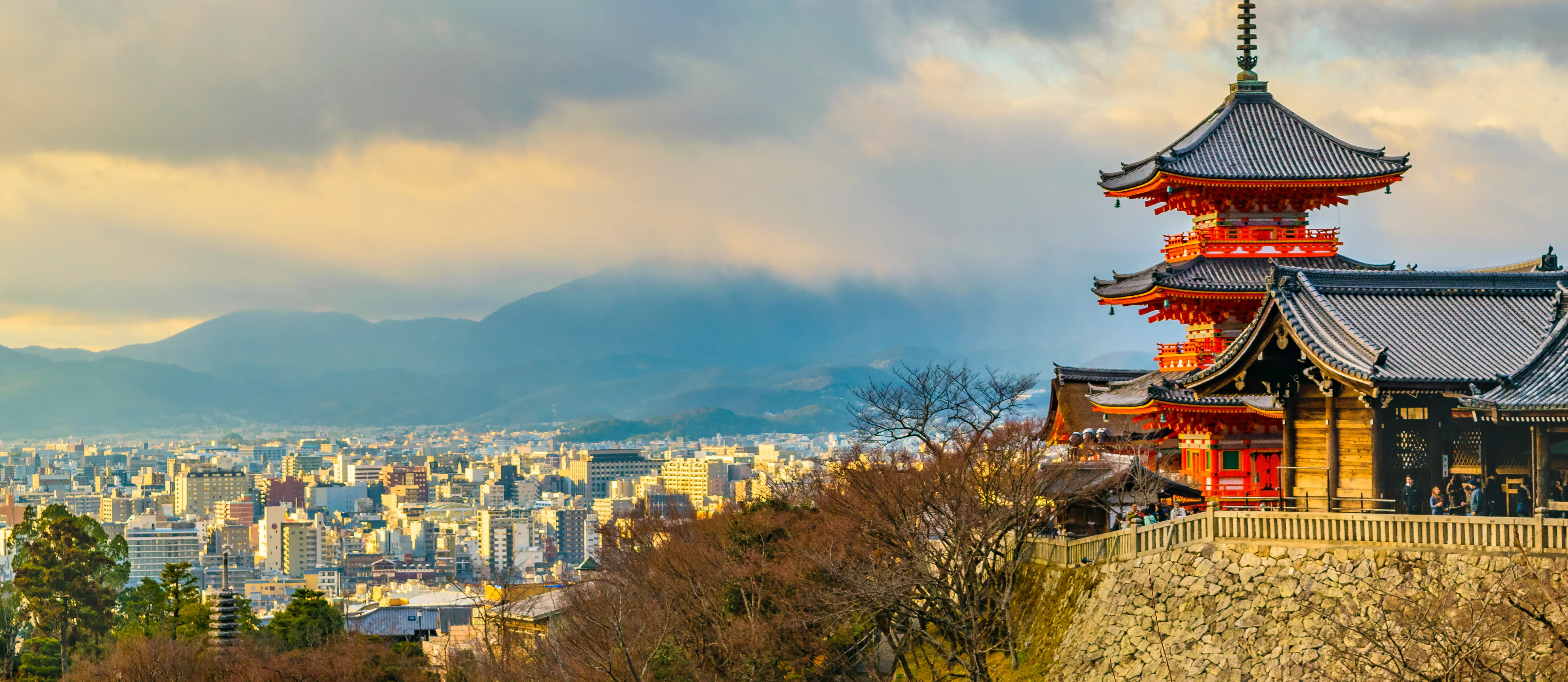
Nestled in the heart of Japan, Kyoto stands as a captivating gateway to centuries of tradition, artistry, and natural beauty. This city, once the imperial capital, is renowned for its harmonious blend of historic temples, vibrant festivals, and picturesque landscapes. As you wander through its ancient streets, you’ll feel transported to a bygone era where tradition and serenity intertwine seamlessly. Kyoto’s unique charm lies in its ability to preserve its cultural heritage while offering a scenic haven for travelers seeking tranquility and inspiration. Whether you’re an avid history enthusiast, a lover of scenic views, or someone eager to immerse themselves in authentic Japanese culture, Kyoto promises an unforgettable journey.
In this article, you can expect an in-depth exploration of Kyoto’s rich cultural tapestry and breathtaking scenery. We will guide you through the city’s most inspiring landscapes, highlight the significance of its historic sites, and offer insights into experiencing its vibrant traditions. Prepare to uncover the soul of Kyoto, a destination that continues to enchant visitors with its timeless allure.
Best Time to Visit Kyoto
Understanding the Climate and Seasons
Kyoto’s climate varies throughout the year, offering distinct experiences for travelers interested in cultural and scenic journeys. Summers, from June to August, are hot and humid, with temperatures often exceeding 30°C. Winters, from December to February, tend to be cold but generally dry, with occasional snowfall that enhances the city’s scenic beauty. Spring and autumn are particularly popular for their mild weather and breathtaking natural displays.
Peak Tourist Seasons
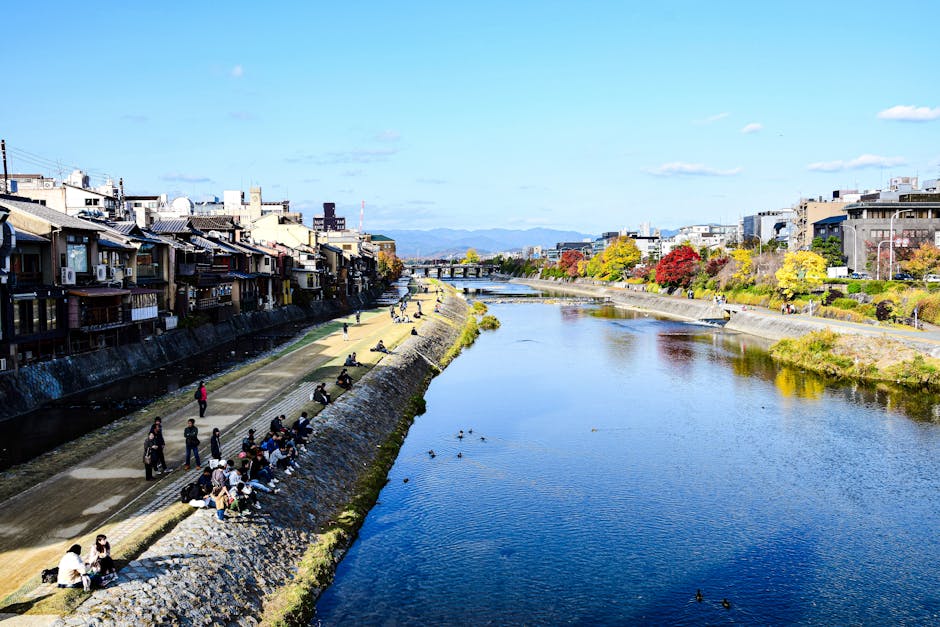
The most crowded times in Kyoto are during cherry blossom season in early April and the vibrant autumn foliage in November. During these periods, popular sites like Kiyomizu-dera and Arashiyama can become bustling, which may affect your experience if you prefer tranquility. However, these seasons also offer unique opportunities to witness traditional festivals and participate in seasonal activities that deepen your cultural journey.
Off-Peak Benefits
Visiting during the shoulder seasons—late winter (January to February) and early spring (March) before the cherry blossoms bloom—can be advantageous. During these times, you will encounter fewer tourists, allowing for more intimate exploration of temples and gardens. Additionally, accommodation prices tend to be lower, and local attractions are less crowded, providing a more authentic and relaxed cultural experience.
Practical Tips for Planning Your Visit
- Spring (March to May): Ideal for cherry blossoms, but expect crowds in April.
- Autumn (October to November): Perfect for colorful foliage, with moderate crowds.
- Winter (December to February): Best for serene temple visits and fewer tourists.
- Summer (June to August): Suitable for lush landscapes, but prepare for heat and humidity.
Summary of Pros and Cons
| Timing | Pros | Cons |
|---|---|---|
| Spring (March-April) |
– Spectacular cherry blossoms – Mild weather – Cultural festivals |
– Crowds at popular sites – Higher accommodation costs |
| Autumn (October-November) |
– Stunning fall foliage – Pleasant temperatures – Fewer tourists than spring |
– Shorter daylight hours – Increased prices during peak foliage |
| Winter (December-February) |
– Quiet, peaceful temples – Lower prices – Snow-covered scenery |
– Cold weather – Limited outdoor activities |
| Summer (June-August) |
– Lush landscapes – Festivals and events – Longer days |
– Hot and humid climate – High tourist influx |
Choosing the best time to visit Kyoto ultimately depends on your preferences for weather, crowd levels, and the type of cultural experience you seek. Whether you prefer the vibrant colors of spring and fall or the peaceful serenity of winter, Kyoto offers something special year-round for those on a cultural and scenic journey.
Getting to Kyoto: Your Gateway to a Cultural and Scenic Journey
Kyoto, Japan’s former imperial capital, offers travelers a mesmerizing blend of history, culture, and natural beauty. Reaching this enchanting city is an essential part of your journey, setting the tone for the immersive experience ahead. Whether you arrive by air, train, bus, or car, each option provides a unique perspective on Japan’s scenic landscapes and efficient transportation network. Let’s explore the best ways to get to Kyoto and how to navigate your way to this cultural treasure.
Flights to Kyoto
The most convenient way for international travelers to reach Kyoto is by flying into Japan. The nearest major airport is Kansai International Airport (KIX), located approximately 75 minutes from Kyoto by train. Kansai serves numerous international airlines, offering direct flights from major cities across Asia, North America, and Europe. Alternatively, Osaka’s Itami Airport (ITM) is closer to Kyoto and handles domestic flights, making it a good option if you are already within Japan. From either airport, travelers can take quick, comfortable train services or buses to reach Kyoto’s city center.
Train Travel: The Scenic and Efficient Choice
Japan’s extensive rail network makes train travel an ideal way to experience the scenic beauty en route to Kyoto. The Shinkansen, or bullet train, is the fastest and most iconic option. The Tokaido Shinkansen connects Tokyo to Kyoto in approximately 2 hours and 30 minutes, offering a smooth, high-speed journey through picturesque landscapes. For travelers coming from Osaka or Nagoya, local and rapid trains provide frequent, economical options. The train ride itself becomes part of the cultural journey, with views of mountains, rice paddies, and traditional villages.
Bus and Coach Services
Long-distance bus services are a budget-friendly alternative, especially for travelers coming from nearby cities like Osaka or Hiroshima. Modern coaches are comfortable, equipped with Wi-Fi, and operate frequently. The overnight buses are particularly popular among backpackers, offering a scenic yet economical way to arrive in Kyoto early in the morning. However, buses take longer than trains and may not be suitable for those with tight schedules.
Travel Tips and Important Information
- Book your train tickets in advance, especially for the Shinkansen, to secure better prices and seat reservations.
- Consider purchasing a Japan Rail Pass if you plan multiple train journeys; it offers significant savings and flexibility.
- For scenic journeys, opt for local or rapid trains that pass through rural landscapes, offering a glimpse of Japan’s countryside.
- Check transportation schedules ahead of time, as seasonal changes or holidays can affect service frequency.
- Travel light when using trains, as platforms and stations can be busy, and many stations are not equipped with extensive luggage storage.
Getting Around Kyoto
Once in Kyoto, the city’s public transportation system makes exploring its cultural and scenic sites effortless. Buses and trains connect major temples, gardens, and historic districts, allowing you to immerse yourself in the city’s timeless beauty. For a more personalized experience, consider renting a bicycle or using local taxis for short trips. Kyoto’s compact size and efficient transport options ensure that your journey through its scenic streets and cultural landmarks remains seamless and memorable.
Rent a Bicycle
Best Places to Stay in Kyoto: A Guide for Every Budget
Kyoto, renowned for its rich cultural heritage and scenic beauty, offers a diverse range of accommodations that cater to every traveler’s needs. Whether you seek luxury, mid-range comfort, or budget-friendly options, each choice provides a unique experience that complements your journey through Japan’s ancient capital. Here, we explore top accommodations aligned with different budgets, emphasizing their role in enhancing your cultural and scenic exploration of Kyoto.
Luxury Options: Indulge in Cultural Elegance
For travelers seeking an immersive cultural experience coupled with unparalleled comfort, luxury hotels in Kyoto offer more than just a place to stay. They serve as gateways to the city’s historic ambiance.
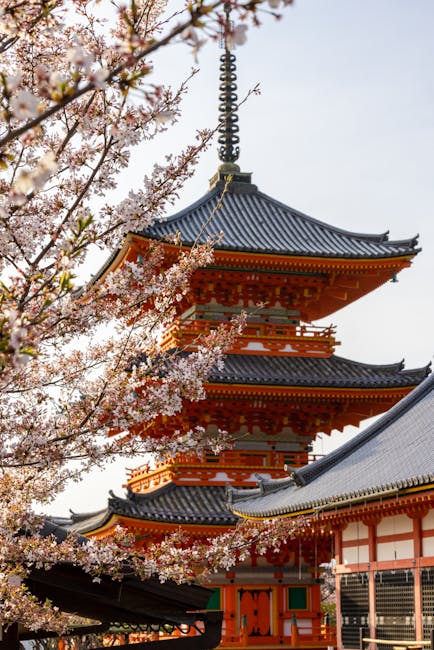
The Ritz-Carlton Kyoto stands out as a premier choice. Nestled along the Kamogawa River, this hotel combines modern luxury with traditional Japanese aesthetics. Its elegant rooms feature tatami mats and shoji screens, creating a serene environment perfect for reflection after exploring historic sites like Kiyomizu-dera or Gion. The hotel’s refined dining options also allow guests to savor Kyoto’s seasonal cuisine in style.
Hoshinoya Kyoto offers a tranquil retreat in a traditional ryokan style, set amidst lush nature. Accessible by boat, this retreat emphasizes harmony with its surroundings, making it ideal for those seeking a scenic and cultural journey. Guests can enjoy private onsen baths and kaiseki dinners, immersing themselves in authentic Kyoto traditions.
Mid-Range Options: Comfort with Cultural Charm
If you desire comfort without sacrificing authenticity, mid-range accommodations provide a perfect balance. They often feature traditional touches and convenient locations, making them ideal for exploring Kyoto’s scenic and cultural sites.
- The Royal Park Hotel Kyoto Sanjo offers spacious rooms with modern amenities, located near Nishiki Market and the historic Gion district. Its central location makes it easy to walk to many cultural landmarks.
- Moxy Kyoto Nijo Castle blends contemporary design with Kyoto’s historic vibe. Its proximity to Nijo Castle and the Kyoto Imperial Palace allows for seamless cultural explorations.
Budget-Friendly Options: Experience Kyoto Without Breaking the Bank
Travelers on a budget can still enjoy Kyoto’s scenic beauty and cultural richness through well-chosen affordable accommodations. These options often offer cozy, clean rooms and a chance to mingle with fellow travelers.
- Khaosan Kyoto Guesthouse provides a friendly atmosphere close to Kyoto Station and the historic district. It features dormitory-style and private rooms, ideal for backpackers and solo travelers eager to connect with others.
- Piece Hostel Sanjo offers modern, minimalist dorms and private rooms in a lively neighborhood. Its communal spaces foster cultural exchanges, enriching your journey through Kyoto’s traditions.
Choosing the right accommodation in Kyoto, whether luxurious or budget-friendly, enhances your cultural and scenic journey. Each stay becomes an integral part of your exploration, immersing you deeper into the city’s timeless beauty and traditions.
Audiobooks for travelers – start your free Audible trial!
Find everything you need for your trip on Amazon
Frequently Asked Questions about Cultural and Scenic Journeys in Kyoto
What makes Kyoto a unique destination for cultural and scenic journeys?
Kyoto is often regarded as Japan’s cultural heart, boasting over a thousand years of history as the imperial capital. Its blend of ancient temples, traditional tea houses, and beautifully preserved neighborhoods offers travelers a deeply immersive experience. The city’s scenic beauty is equally captivating, with lush gardens, historic bamboo groves, and iconic mountain views. Visitors can explore UNESCO World Heritage sites like Kinkaku-ji and Gion, where traditional architecture and vibrant cultural practices remain alive. Whether you’re strolling through centuries-old streets or appreciating the serene landscapes, Kyoto provides a harmonious balance of history, art, and natural beauty that is truly unparalleled.
When is the best time to visit Kyoto for a scenic and cultural experience?
The ideal time to visit Kyoto depends on what you wish to experience. Spring, from late March to early April, is famous for cherry blossom season, transforming the city into a sea of pink and white blossoms. Autumn, from late November to early December, offers breathtaking fall foliage, with vibrant reds and golds adorning temples and gardens. Spring and fall are also the most comfortable seasons weather-wise, with mild temperatures and less humidity. Summer (June to August) is lively with festivals but can be hot and humid, while winter (December to February) offers a quieter, more introspective experience, often with beautiful snow scenes. Planning your visit around these seasons ensures you enjoy Kyoto’s scenic and cultural highlights at their best.
Are there guided tours available for exploring Kyoto’s cultural sites?
Yes, numerous guided tours cater to travelers interested in Kyoto’s rich history and scenic spots. Options range from private guides to group excursions, often including visits to iconic temples, traditional neighborhoods, and scenic gardens. Many tours also offer insights into local customs, tea ceremonies, and historical anecdotes, enriching your experience. For a more personalized journey, consider hiring a local guide who can tailor the itinerary to your interests. Additionally, audio-guided tours and mobile apps are available for those who prefer exploring independently but still want in-depth information. Booking in advance ensures availability, especially during peak seasons.
What practical tips should I know about visiting Kyoto’s temples and gardens?
When visiting Kyoto’s sacred sites, it’s important to respect local customs. Dress modestly, remove your shoes when entering temples and traditional buildings, and avoid loud behavior. Many sites have entrance fees, so carry cash or credit cards accordingly. To avoid crowds, visit popular sites early in the morning or late in the afternoon. Wearing comfortable shoes is essential, as exploring often involves walking on uneven surfaces. Photography is generally permitted, but flash and tripods may be restricted in some areas. Remember to be mindful of the environment—dispose of trash properly and stay on designated paths. These small considerations will enhance your experience and help preserve Kyoto’s cultural treasures.
How can I experience Kyoto’s local culture beyond sightseeing?
Engaging with Kyoto’s local culture offers a deeper connection to the city. Participate in traditional activities such as tea ceremonies, kimono rentals, or calligraphy classes, many of which are available for tourists. Visiting local markets like Nishiki Market provides a taste of regional cuisine and crafts. Attending seasonal festivals, such as Gion Matsuri or Aoi Matsuri, allows you to witness authentic cultural celebrations. Staying in a ryokan (traditional inn) can also enrich your experience, offering local hospitality and cuisine. Additionally, exploring neighborhoods like Gion and Pontocho provides opportunities to encounter geisha performances and traditional dining experiences. These activities not only deepen your understanding but also make your journey uniquely memorable.
Experience the essence of Kyoto through its scenic landscapes and cultural heritage. Plan your journey thoughtfully, and immerse yourself in the timeless beauty of this enchanting city.
Before you book that hotel, check out cashback offers! Get rewarded for your travel expenses with up to 20% cashback on top travel brands.
Embark on Your Cultural and Scenic Journey in Kyoto
Kyoto stands as a timeless testament to Japan’s rich cultural heritage and breathtaking landscapes. Throughout this journey, we explored its iconic temples, traditional tea houses, and vibrant festivals that vividly showcase the city’s historical significance. From the serene beauty of Arashiyama’s bamboo groves to the intricate artistry of Kiyomizu-dera, each site offers a unique window into Japan’s cultural soul. Additionally, the city’s scenic beauty, including tranquil gardens and scenic river views, invites travelers to immerse themselves fully in its peaceful ambiance.
Why Kyoto Is a Must-Visit Destination
What sets Kyoto apart is its seamless blend of the old and new. Visitors can experience centuries-old traditions while enjoying modern comforts. Engaging with local artisans, participating in traditional tea ceremonies, or simply wandering through historic districts enriches the journey. Moreover, Kyoto’s seasonal changes—cherry blossoms in spring and vibrant foliage in autumn—offer ever-changing scenic vistas that captivate every traveler’s heart.
To truly appreciate Kyoto’s magic, consider extending your stay. Explore beyond the main attractions, discover hidden temples, and indulge in authentic Kyoto cuisine. Each moment spent here deepens your connection to its cultural essence and scenic splendor.
Start Your Adventure Today
Now is the perfect time to plan your own cultural and scenic journey to Kyoto. Whether you seek spiritual enlightenment, artistic inspiration, or natural beauty, Kyoto offers an unforgettable experience. Dive into its history, embrace its traditions, and let its stunning landscapes inspire you. Don’t wait—make Kyoto your next travel destination and create memories that will last a lifetime.