Cultural and Scenic Journeys Florence
Discover the Enchanting Blend of Art, History, and Natural Beauty in Florence
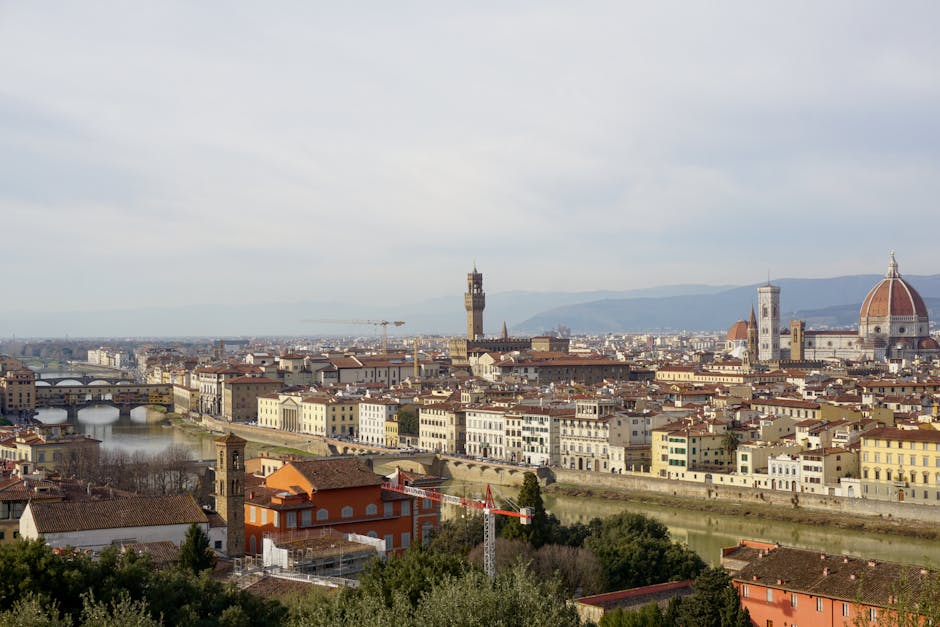
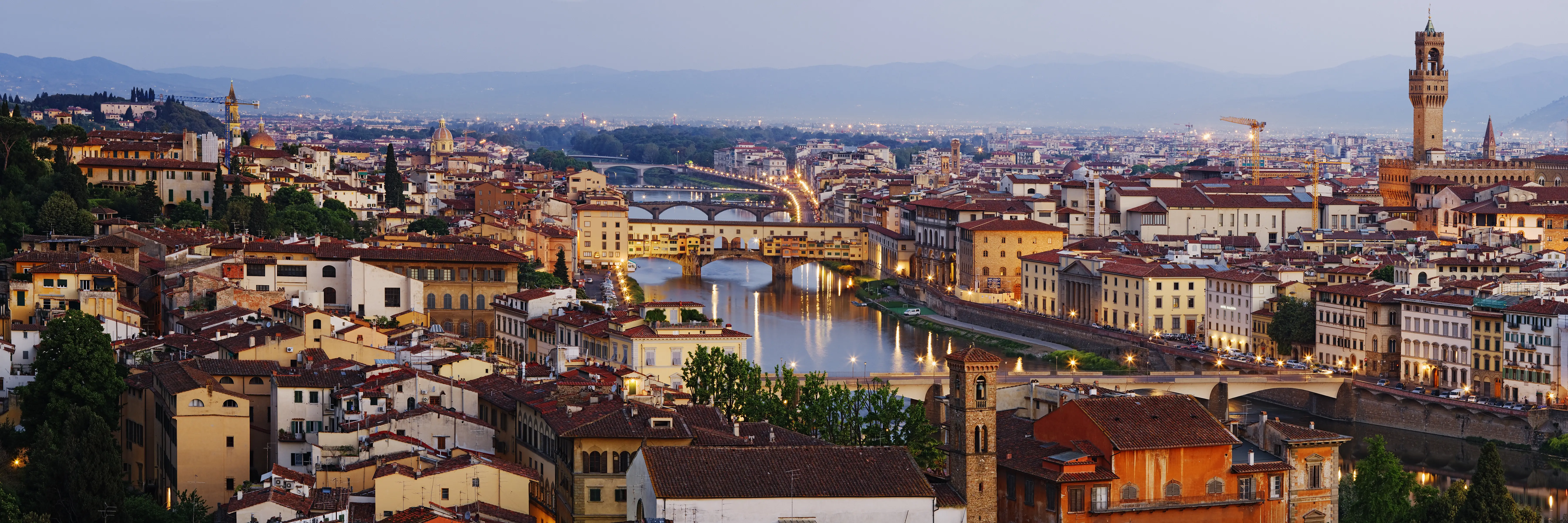
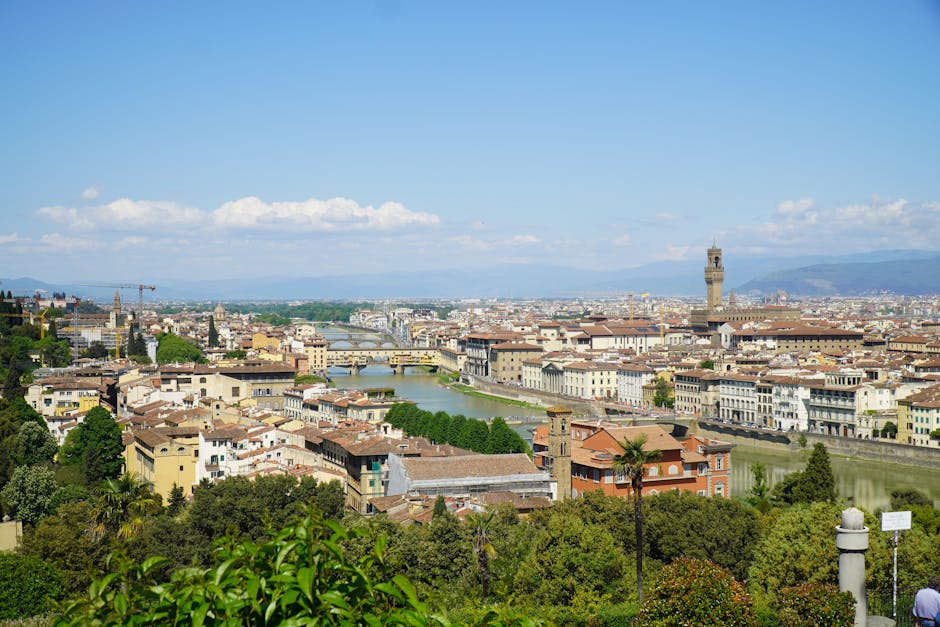
Nestled in the heart of Italy’s Tuscany region, Florence stands as a timeless symbol of artistic brilliance, rich history, and breathtaking landscapes. This captivating city beckons travelers with its unique ability to seamlessly blend centuries-old masterpieces with vibrant contemporary life. As a hub of the Renaissance, Florence offers an immersive experience into the origins of Western art and architecture, making it a must-visit destination for culture enthusiasts. Beyond its iconic museums and historic streets, the city’s scenic surroundings—rolling hills, picturesque bridges, and lush gardens—create a mesmerizing backdrop for exploration. Whether strolling through its medieval alleys or admiring the panoramic views from its vantage points, visitors are invited to embark on a journey that celebrates both cultural heritage and natural splendor. In this article, we will guide you through Florence’s most compelling aspects, revealing how this destination offers a truly enriching and scenic cultural adventure that leaves a lasting impression.
Uffizi Gallery
The Uffizi Gallery stands as one of the most celebrated art museums in the world, nestled in the heart of Florence’s historic center. Originally designed in the 16th century by Giorgio Vasari as the administrative offices for Florence’s judiciary, it was transformed into a public gallery in the 18th century. Today, it houses an extraordinary collection of Renaissance masterpieces, making it a must-visit destination for art lovers and cultural enthusiasts alike. The building’s strategic location along the Arno River offers visitors stunning views of Florence’s skyline, adding to its allure.
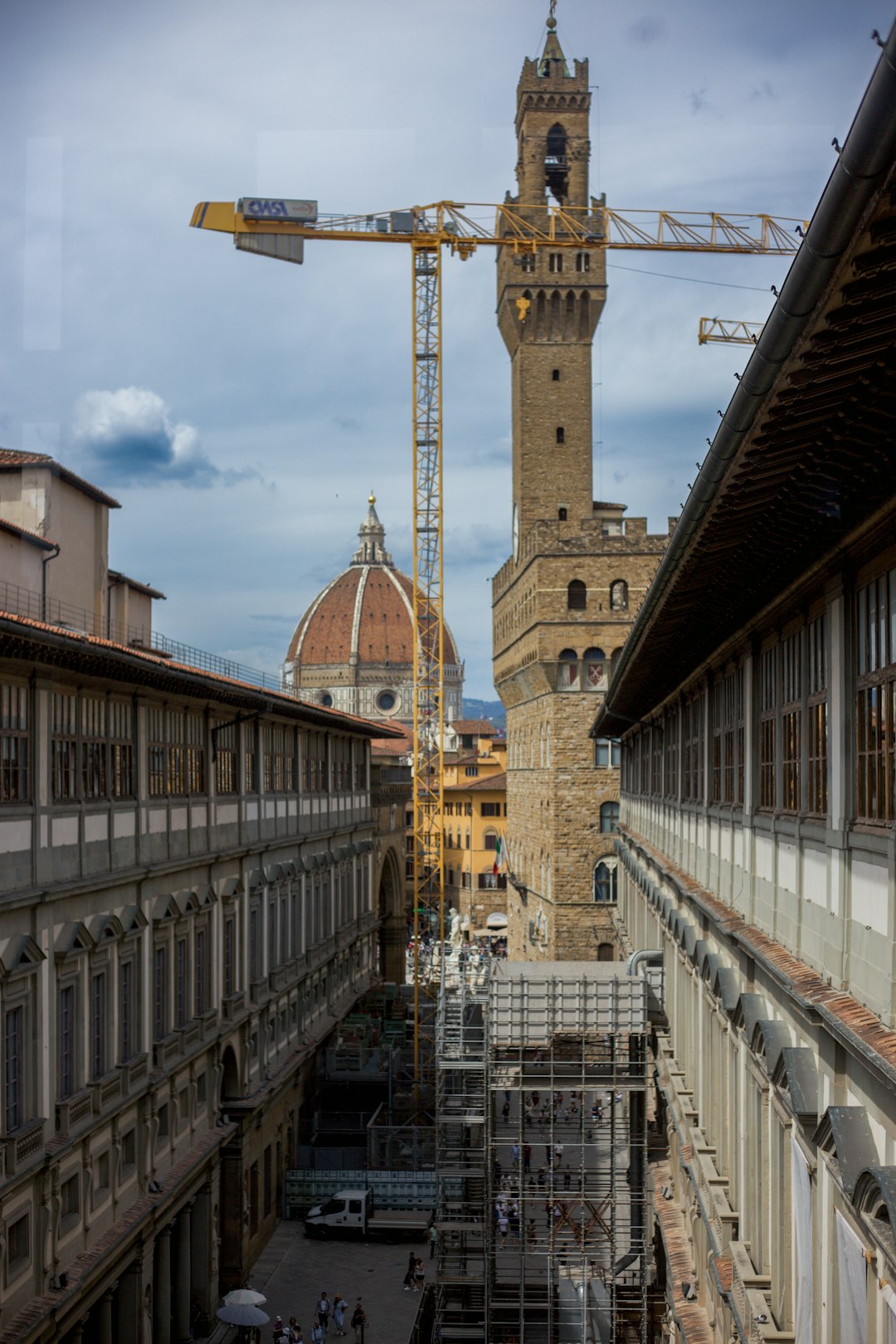
Inside, the Uffizi boasts an impressive array of artworks by legendary artists such as Botticelli, Leonardo da Vinci, Michelangelo, Titian, and Caravaggio. The gallery’s corridors are lined with masterpieces that narrate the story of Renaissance art and its profound influence on Western culture. Notable works include Botticelli’s “The Birth of Venus” and “Primavera,” which are among the most iconic images of Florence’s artistic heritage. The museum’s layout allows visitors to journey through different artistic periods, from early Renaissance to Mannerism, offering a comprehensive view of Florence’s artistic evolution.
Visiting the Uffizi is not only about admiring artworks but also about experiencing the ambiance of a space that once served as a hub of political and cultural activity. The architecture itself is a marvel, with long, elegant corridors and grand ceilings that enhance the viewing experience. Practical information includes purchasing tickets in advance to avoid long queues, especially during peak seasons. Guided tours are highly recommended for those wishing to gain deeper insights into the artworks and their historical context. The Uffizi also offers educational programs and temporary exhibitions, ensuring that each visit provides fresh perspectives and discoveries.
Florence Cathedral
The Florence Cathedral, officially known as Cattedrale di Santa Maria del Fiore, is an architectural masterpiece that dominates the Florence skyline. Located in the Piazza del Duomo, this magnificent structure is renowned for its stunning façade, intricate marble work, and the iconic dome designed by Filippo Brunelleschi. The cathedral’s construction began in 1296 and was completed in the 15th century, symbolizing Florence’s wealth and artistic innovation during the Renaissance. Its strategic location in the city center makes it easily accessible for visitors eager to explore Florence’s rich religious and cultural history.
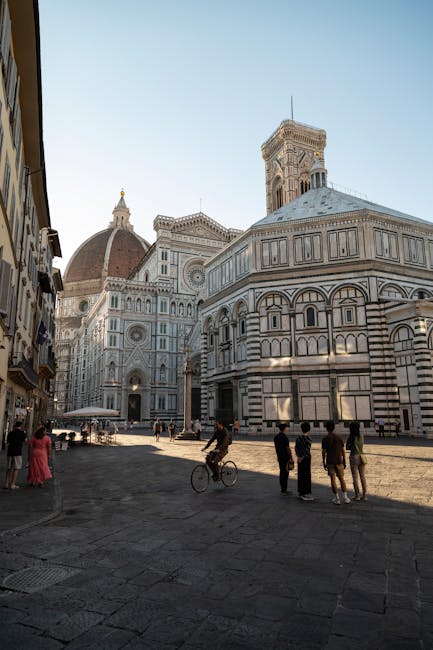
The cathedral’s façade is a stunning example of Gothic architecture, adorned with intricate sculptures and detailed marble panels in shades of green, pink, and white. However, the real highlight remains Brunelleschi’s dome, an engineering marvel that revolutionized architecture in the Renaissance era. Climbing to the top of the dome rewards visitors with panoramic views of Florence’s rooftops and surrounding Tuscan landscape, offering a scenic journey through history and architecture.
Inside, the cathedral features a beautifully decorated nave, stunning stained glass windows, and artworks that reflect Florence’s religious devotion. The adjacent Baptistery, with its famous Gates of Paradise, adds to the spiritual and artistic significance of the site. Practical tips include arriving early or booking tickets online to avoid long lines, especially during peak tourist seasons. Visitors can also explore the Museo dell’Opera del Duomo, which houses original sculptures and artifacts from the cathedral’s construction. Whether admiring its architectural grandeur or soaking in the spiritual atmosphere, the Florence Cathedral remains a symbol of the city’s artistic and cultural identity.
Ponte Vecchio
The Ponte Vecchio, or Old Bridge, is arguably Florence’s most iconic and picturesque landmark. Spanning the Arno River, this medieval bridge has connected the historic center of Florence with the Oltrarno district since the 14th century. Its unique design, featuring a series of shops and boutiques built along its span, creates a lively and charming atmosphere that captures the essence of Florence’s vibrant artisan culture. The bridge’s strategic location and historical significance make it a must-see for visitors seeking a blend of history, architecture, and scenic beauty.
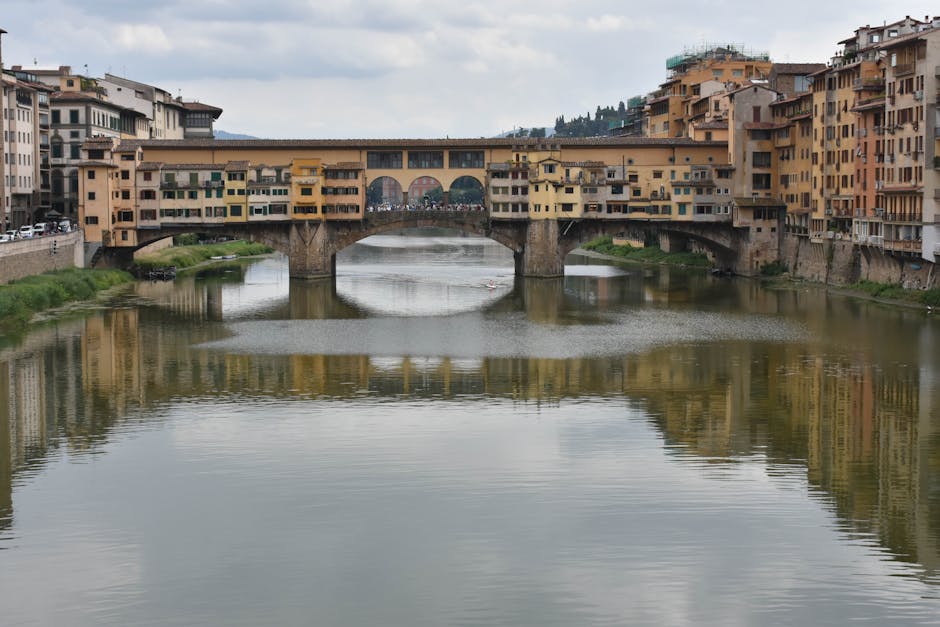
The Ponte Vecchio’s most distinctive feature is its row of jewelry shops, which have been a tradition since the Middle Ages. The shops are housed in small, colorful buildings that lean slightly over the water, creating a whimsical and romantic setting. Above the shops, the Vasari Corridor—a secret passage built in the 16th century—connects the Palazzo Pitti with the Palazzo Vecchio, allowing the Medici family to move safely across the city. This corridor adds a layer of intrigue and historical depth to the bridge’s story.
Walking along the Ponte Vecchio offers stunning views of the Arno River and Florence’s skyline, especially at sunset when the bridge is bathed in golden light. The bridge’s lively atmosphere, with street performers and local artisans, makes it a perfect spot for leisurely exploration. Practical advice includes visiting early in the morning or late in the evening to avoid crowds, and taking time to browse the unique jewelry and art shops. The Ponte Vecchio’s blend of history, craftsmanship, and scenic beauty encapsulates Florence’s rich cultural tapestry, making it a memorable stop on any journey through the city.
When Is the Best Time to Visit Florence?
Understanding the Climate and Seasons
Florence enjoys a Mediterranean climate, characterized by hot summers and mild winters. Spring (April to June) and fall (September to October) are particularly appealing for travelers seeking a balanced combination of pleasant weather and fewer crowds. During these months, temperatures typically range from 15°C to 25°C, making outdoor exploration comfortable and enjoyable. Conversely, summer (July and August) can be quite hot, with temperatures soaring above 30°C, which might cause discomfort during daytime sightseeing. Winters (December to February) are cooler, averaging around 5°C to 10°C, but the city’s charm remains, especially with festive decorations and fewer visitors.
Peak Tourist Seasons and Their Drawbacks
The peak tourist seasons in Florence are during late spring and summer, especially from late May through August. During this time, the city buzzes with visitors eager to experience its art, architecture, and cultural festivals. While this period offers vibrant energy and lively events, it also means crowded museums, long queues, and higher accommodation prices. If you prefer an authentic experience without the crowds, visiting during these months might be less ideal.
Advantages of Visiting During Off-Peak Periods
Traveling in the shoulder seasons—spring and fall—presents distinct benefits. These include lower prices for accommodations, easier access to popular sites, and a more relaxed atmosphere. Moreover, during these times, the city’s parks and gardens burst with colorful blooms or autumnal hues, enhancing your scenic journey through Florence’s artistic and natural landscapes. Additionally, outdoor cafés and local markets are less crowded, allowing for a more immersive cultural experience.
Summary: Pros and Cons of Visiting Florence
| Timing | Pros | Cons |
|---|---|---|
| Spring (April – June) |
|
|
| Summer (July – August) |
|
|
| Fall (September – October) |
|
|
| Winter (December – February) |
|
|
In summary, the best time to visit Florence depends on your preferences for weather, crowd levels, and cultural experiences. For a scenic and cultural journey with manageable crowds, consider traveling during spring or fall. These seasons provide the perfect backdrop for exploring Florence’s artistic treasures and scenic beauty, making your visit truly memorable.
Getting to Florence: Your Gateway to a Cultural and Scenic Journey
Florence, the heart of Italy’s Renaissance, beckons travelers seeking a blend of artistic masterpieces, historic streets, and breathtaking landscapes. Reaching this enchanting city can be an adventure in itself, offering opportunities to immerse yourself in Italy’s scenic routes and vibrant culture even before your arrival. Whether you prefer flying, train travel, bus journeys, or exploring by car, each option provides a unique perspective on the journey to Florence.
Flights to Florence
The most convenient way for international travelers to reach Florence is by air. Florence’s Amerigo Vespucci Airport (Peretola) is well-connected to major European hubs like Rome, Milan, and Zurich. Many airlines offer direct flights, especially during peak tourist seasons. For travelers arriving from farther away, connecting flights through major hubs such as Rome’s Fiumicino Airport or Milan Malpensa Airport are common options. Once landed, you can easily reach the city center by taxi, shuttle, or public transportation. Remember to check flight schedules in advance, especially during busy months, to secure the best deals and most convenient timings.
Traveling by Train
Italy’s extensive rail network makes train travel an excellent choice for a scenic and comfortable journey to Florence. Major cities like Rome, Venice, and Milan are connected via high-speed trains such as Frecciarossa and Italo, which can get you to Florence in under two hours from Rome. The Florence Santa Maria Novella station is centrally located, making it easy to start exploring immediately upon arrival. Traveling by train not only offers scenic views of the Italian countryside but also provides a relaxed way to enjoy the journey without the stress of driving.
Bus and Coach Services
Long-distance buses provide a budget-friendly alternative for reaching Florence. Companies like FlixBus and Eurolines operate routes from various European cities, including Milan, Bologna, and even international destinations. Buses typically arrive at the bus station near the city center, offering easy access to the main attractions. While slower than trains or flights, bus travel allows you to enjoy scenic landscapes and observe local life along the way.
Driving and Car Rentals
Driving to Florence offers the flexibility to explore the scenic Tuscan countryside at your own pace. Major highways such as the A1 connect Florence to other Italian cities, making it accessible by car. Renting a vehicle is straightforward, with numerous rental agencies available at airports and city centers. Keep in mind that Florence’s historic center has limited traffic zones (ZTL), so it’s essential to plan your parking and driving routes accordingly. For a truly immersive experience, consider taking scenic routes through Tuscany’s rolling hills, vineyards, and charming villages.
Travel Tips and Important Information
- Book flights and train tickets in advance to secure better prices and availability.
- Check transportation schedules, especially during holidays or peak seasons.
- Consider combining train and local bus options for a seamless journey into the city.
- Always carry a copy of your travel documents and tickets.
- Be mindful of ZTL zones to avoid fines when driving in Florence.
Embarking on your journey to Florence promises a scenic and cultural voyage. Whether you arrive by air, rail, bus, or car, each route offers a unique perspective on Italy’s storied landscapes and vibrant history, setting the tone for an unforgettable exploration of this Renaissance jewel.
Best Places to Stay in Florence for a Cultural and Scenic Journey
Florence, the cradle of the Renaissance, offers a wealth of cultural treasures and stunning vistas. Whether you seek luxury, mid-range comfort, or budget-friendly options, the city’s accommodations can enhance your journey through its art, history, and breathtaking scenery. Here are carefully curated choices for every budget, each offering a unique experience rooted in Florence’s artistic and scenic charm.
Luxury Accommodations
For travelers who desire an immersive cultural experience combined with opulence, these hotels provide exceptional service and historic ambiance.
Hotel Savoy
Located just steps from Florence’s iconic Duomo, Hotel Savoy combines contemporary luxury with historic elegance. Its stylish interiors reflect Florence’s artistic heritage, while the panoramic rooftop terrace offers breathtaking views of the city’s skyline. Staying here immerses guests in Florence’s vibrant street life, perfect for scenic strolls through Renaissance streets.
Villa Cora
Perched on a hill overlooking the Boboli Gardens, Villa Cora is a grand 19th-century mansion surrounded by lush gardens. Its luxurious rooms and exquisite decor evoke a regal atmosphere, ideal for those seeking a scenic retreat with cultural depth. The villa’s location provides stunning vistas of Florence’s skyline, making it a perfect base for scenic journeys through the city’s artistic heart.
Mid-Range Options
Mid-range hotels balance comfort with affordability, offering a cozy base for exploring Florence’s artistic and scenic highlights.
Palazzo Guadagni
This charming boutique hotel is housed in a historic building overlooking the Arno River. Its elegant rooms feature traditional Florentine decor, and the rooftop terrace offers spectacular views of the Ponte Vecchio and surrounding rooftops. It’s an ideal choice for travelers eager to experience Florence’s scenic beauty and cultural richness without overspending.
Hotel Brunelleschi
Located near the Duomo, Hotel Brunelleschi blends medieval architecture with modern amenities. Its central location makes it easy to explore Florence’s art-filled streets and scenic vistas. The hotel’s historic ambiance enhances the cultural journey, making it a memorable stay for art lovers and scenic explorers alike.
Budget Options
For travelers prioritizing affordability while still wanting to enjoy Florence’s scenic and cultural treasures, these options provide comfort and convenience.
Plus Florence
This vibrant hostel offers budget-friendly dorms and private rooms, along with a lively atmosphere. Its central location makes it easy to walk to major sights, and the communal spaces foster cultural exchange. Plus Florence is perfect for independent travelers eager to immerse themselves in Florence’s artistic scene without stretching their budget.
Hotel Delle Nazioni
Situated near Santa Maria Novella, this budget hotel provides simple yet comfortable accommodations. Its proximity to train stations and cultural sites allows for easy exploration of Florence’s scenic landscapes and artistic landmarks. The friendly staff and clean rooms make it a practical choice for cost-conscious travelers.
In conclusion, Florence’s diverse accommodations ensure that every traveler can find a perfect base to explore its cultural and scenic riches. Whether indulging in luxury or seeking budget-friendly comfort, each option offers a unique gateway into Florence’s timeless beauty.
Essential Travel Products for Visiting Florence
1. RFID-Blocking Travel Wallet
For travelers exploring Florence, security and convenience go hand-in-hand. An RFID-blocking travel wallet, such as the Travelambo RFID Blocking Wallet, offers peace of mind by protecting your credit cards and passports from electronic theft. Crafted from durable, lightweight materials, this wallet features multiple compartments for organizing cash, cards, and travel documents efficiently. Its slim profile easily fits into your pocket or bag, making it ideal for day trips through Florence’s bustling streets and markets.
What makes this product particularly useful is its RFID-blocking technology, which prevents unauthorized scanning, ensuring your sensitive information stays safe amidst the lively crowds. Additionally, many models include a secure zipper or snap closure, reducing the risk of losing valuables. The wallet’s sleek design complements the stylish yet practical needs of cultural explorers, allowing quick access to essentials without fuss. You can purchase the Travelambo RFID Blocking Wallet on Amazon or at travel specialty stores online, making it easily accessible before your trip.
2. Compact Travel Umbrella
Florence’s weather can be unpredictable, especially during spring and autumn. A compact, wind-resistant travel umbrella, like the Davek Solo, is an indispensable item for visitors. This umbrella boasts a sturdy frame with reinforced ribs, ensuring durability against gusts, and a compact size that easily slips into your daypack or handbag.
Designed with high-quality water-resistant fabric, the Davek Solo provides reliable protection against sudden rain showers while exploring open-air markets or strolling along the Arno River. Its lightweight construction, often weighing less than a pound, allows for effortless carrying without adding bulk. Many models come with a protective sleeve or case for storage when not in use. You can find this umbrella at outdoor gear stores or online retailers, ensuring you’re prepared for Florence’s weather variations.
View recommended travel essentials on Amazon
Guidebooks for Cultural and Scenic Journeys in Florence
1. Florence: The Rough Guide to the City
This comprehensive guidebook, available on Kindle Unlimited and Audible, offers a deep dive into Florence’s rich history, art, and architecture. It features detailed walking tours through the city’s most iconic sites, from the Duomo to lesser-known gems like local markets and hidden courtyards. The book’s practical tips on navigating Florence’s museums and avoiding tourist traps are invaluable for travelers seeking authentic experiences. Its clear maps and curated itineraries help visitors plan their days efficiently, ensuring they don’t miss the city’s most scenic and culturally significant spots.
2. The Art Lover’s Guide to Florence
Perfect for those passionate about Renaissance art, this guide emphasizes Florence’s masterpieces and the stories behind them. Available on Audible and Kindle Unlimited, it offers engaging narratives that bring artworks and historic sites to life. The book includes detailed descriptions of the Uffizi Gallery, Accademia, and lesser-known museums, helping visitors appreciate the artistic heritage that defines Florence. It also offers insights into the city’s artistic history, making every visit a journey through time and creativity.
3. Scenic Florence: A Journey Through Its Gardens and Piazzas
This guidebook focuses on Florence’s scenic landscapes, gardens, and picturesque piazzas. Available on Kindle Unlimited and Audible, it guides travelers through scenic routes, such as the Boboli Gardens and panoramic viewpoints over the city. The book provides tips on the best times to visit these spots for optimal views and minimal crowds. Its detailed descriptions help travelers connect with Florence’s scenic beauty, enriching their experience beyond the usual tourist paths. It’s perfect for those who want to combine cultural exploration with scenic serenity.
These guidebooks, available through Kindle Unlimited and Audible, enhance your journey by immersing you in Florence’s artistic, historical, and scenic wonders. Whether you’re exploring grand museums or wandering quiet gardens, these resources help you discover the city’s soul through its most captivating sights.
Get lost in the sounds of travel with free audiobooks from Audible!
Frequently Asked Questions about Cultural and Scenic Journeys in Florence
What makes Florence a unique destination for cultural and scenic journeys?
Florence is often regarded as the birthplace of the Renaissance, making it a hub of art, history, and architecture. Its streets are lined with masterpieces from legendary artists like Michelangelo, Botticelli, and Leonardo da Vinci. Beyond its rich artistic heritage, Florence offers breathtaking vistas of the Tuscan countryside, rolling hills, and iconic bridges like the Ponte Vecchio. The city’s compact layout allows travelers to immerse themselves in its history while enjoying scenic walks along the Arno River. Whether exploring grand cathedrals or wandering through vibrant markets, visitors experience a seamless blend of culture and natural beauty that is truly unique.
What are the must-visit cultural sites in Florence?
Some of the most essential cultural sites include:
- The Florence Cathedral (Duomo di Firenze): Known for its stunning dome designed by Brunelleschi, it’s a masterpiece of architecture and art.
- Uffizi Gallery: Houses one of the world’s most important collections of Renaissance art.
- Ponte Vecchio: A historic bridge lined with shops, offering picturesque views of the Arno River.
- Palazzo Pitti and Boboli Gardens: A grand palace with expansive gardens showcasing sculptures, fountains, and panoramic views.
- Santa Croce Basilica: Resting place of notable figures like Michelangelo and Galileo, filled with stunning frescoes.
Each site offers a deep dive into Florence’s artistic and historical legacy, making them essential stops on any cultural journey.
When is the best time to visit Florence for scenic and cultural experiences?
The ideal time to visit is during the spring (April to June) and early fall (September to October). During these months, the weather is generally mild, and the city is less crowded than in peak summer months. Spring offers blooming gardens and vibrant street life, while early fall provides warm temperatures and clear skies perfect for scenic walks and outdoor exploration. Visiting in the shoulder seasons also allows travelers to enjoy popular sites with shorter lines and a more relaxed atmosphere, enriching the overall cultural and scenic experience.
How can travelers make the most of their scenic journeys around Florence?
To truly appreciate Florence’s scenic beauty, consider these tips:
- Take a leisurely walk along the Arno River, especially at sunset, for stunning views of the city’s skyline.
- Join a guided tour that combines art, history, and panoramic vistas of the Tuscan countryside.
- Visit less crowded viewpoints such as Piazzale Michelangelo, which offers sweeping vistas of Florence’s rooftops and hills beyond.
- Explore nearby towns like Fiesole or Siena for day trips that showcase the scenic diversity of the region.
These activities allow travelers to connect deeply with Florence’s natural and cultural landscapes, creating memorable scenic journeys.
Are there any practical tips for navigating Florence’s cultural sites?
Absolutely. Here are some practical tips to enhance your experience:
- Buy tickets in advance for popular attractions to avoid long lines.
- Wear comfortable shoes, as many sites involve walking on cobblestone streets and climbing stairs.
- Download local maps and audio guides to enrich your understanding of each site’s history and significance.
- Respect local customs and photography rules, especially inside churches and museums.
- Plan your visits during off-peak hours, typically early mornings or late afternoons, for a more intimate experience.
By following these tips, travelers can enjoy Florence’s cultural treasures comfortably and meaningfully.
Experience the best of Florence’s cultural and scenic beauty—your unforgettable journey awaits!
Your next trip could cost less – get cashback on bookings!
Discovering Florence: A Cultural and Scenic Treasure
In conclusion, Florence offers an unparalleled blend of rich history, vibrant art, and breathtaking scenery that captivates every traveler. From the awe-inspiring masterpieces of the Renaissance to the picturesque landscapes lining the Arno River, this city truly embodies the essence of a cultural and scenic journey. Visitors can immerse themselves in iconic sites like the Florence Cathedral and Uffizi Gallery, while also exploring lesser-known neighborhoods filled with authentic artisan workshops and charming cafes. The city’s scenic vistas, especially from Piazzale Michelangelo, provide unforgettable panoramic views that highlight Florence’s timeless beauty.
What makes Florence unique is how seamlessly it combines its storied past with modern vitality. Whether you’re wandering through historic streets, admiring Renaissance architecture, or enjoying the lush Tuscan countryside nearby, every moment offers a chance to connect deeply with Italy’s cultural soul. For travelers seeking a destination that nourishes both the mind and the senses, Florence stands as a perfect choice.
Take the Next Step in Your Journey
Now is the time to explore Florence further. Delve into its hidden gems, indulge in local cuisine, and experience the city’s artistic heartbeat firsthand. Planning your trip today ensures you won’t miss the chance to create unforgettable memories in this extraordinary destination. Let Florence’s timeless charm inspire your next adventure and discover the magic waiting around every corner.